

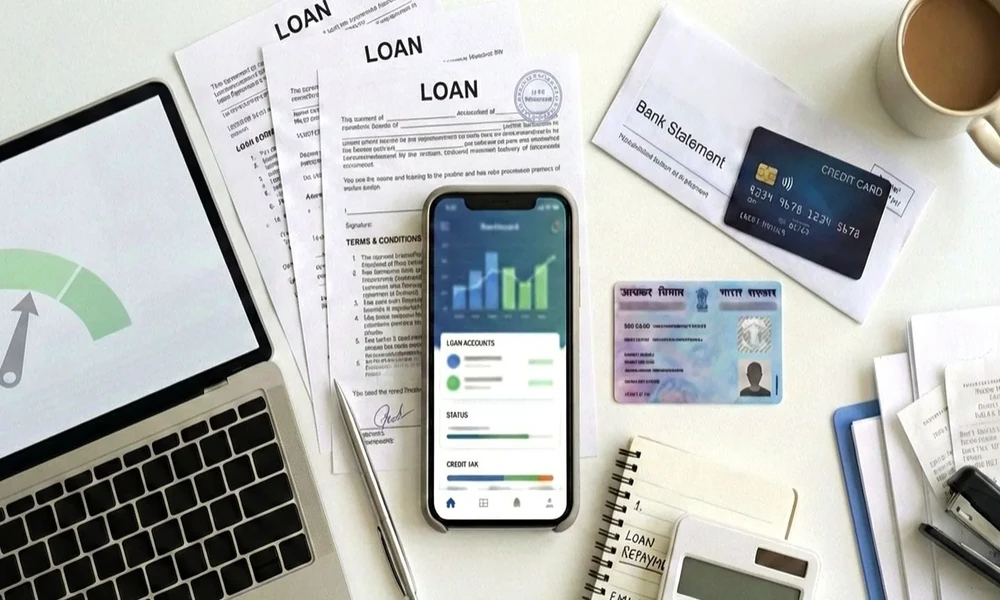
Festive spending can build up quickly. A family may plan for gifts and celebrations for months, yet several payments can still arrive around the same time. Shopping, travel, home decoration, festive meals and family events can put pressure on the budget, especially when regular household expenses continue as usual.
Using savings is generally the simplest way to pay for planned expenses, but a temporary shortfall can sometimes arise despite careful preparation. If borrowing is being considered, the focus should not be on getting the highest amount or finding the fastest approval. It should be on borrowing only what is needed and making sure the repayment does not create financial pressure after the celebrations are over.
Here are practical ways to approach short-term borrowing during the festive season.
1. Decide What the Festival Budget Can Actually Support
Set a spending limit before deciding if you need additional funds. List the main expenses you expect during the festive period and assign a realistic amount to each.
For example, a household might set aside ₹15,000 for gifts, ₹10,000 for travel, ₹8,000 for decorations and ₹12,000 for family celebrations. Once you have the total, compare it with the funds you already have available.
This gives you a clearer view of where the budget may be tight. It also helps ensure that borrowing is considered only after you have worked out your overall festive spending plan.
2. Account for Expenses That Arrive After the Festival
Festive spending does not necessarily end when the celebrations do. Rent, school fees, utility bills, insurance payments and regular household expenses continue into the following month.
This is easy to overlook when most of the attention is on getting through the festive period.
Before taking a loan, look at the next two or three months rather than just the current month. If the EMI would leave very little money for regular expenses after the festival, reconsider the loan amount or the underlying spending plan.
3. Compare the Cost Before Choosing a Loan
Festive deals can make a loan seem like a convenient way to manage extra expenses, particularly when the focus is on affordable EMIs or fast disbursal.
Check the interest rate, applicable processing charges, repayment period and total amount payable before accepting an offer. A longer tenure can reduce the monthly EMI but may increase the total interest paid.
For example, if two loans provide the same amount but have different repayment periods, compare what you will repay in total rather than choosing only the offer with the smaller monthly payment.
4. Keep the Repayment Plan Separate From the Celebration Plan
A common mistake is to think about how the loan will be used but not how it will be repaid.
Before borrowing, identify the regular income that will cover the EMI. If repayment depends on a bonus, uncertain business receipts, or expected gift money, consider what happens if that money arrives late or is lower than expected.
An easy cash loan app can make the application process convenient, but convenience should not replace a clear repayment plan. The EMI needs to be manageable from regular and reasonably predictable income.
5. Leave Some Cash Available for Unexpected Expenses
Using every available rupee for festive spending can leave a household exposed to an unrelated emergency.
For instance, a vehicle repair, medical expense or urgent family requirement could arise shortly after the celebrations. If all savings have been spent and a new EMI has already started, dealing with that expense could become more difficult.
If possible, keep a separate amount aside for unexpected needs instead of treating the entire savings balance as festive spending money.
6. Read the Loan Terms Before the Festive Rush
Before using a quickmoney loan app, check who the actual lender is and review the loan agreement. Look at the amount being disbursed, applicable charges, repayment schedule and conditions relating to missed payments or early repayment.
A few minutes spent reviewing the offer can help prevent confusion once the festive spending is already underway.
7. Review the Budget After the Festival
Once the festive season is over, take a few minutes to review what was actually spent.
Compare planned expenses with actual payments and note whether the borrowing amount was sufficient, excessive or unnecessary. If a loan was taken, include the EMI in the post-festival monthly budget.
This review can also make future celebrations easier to plan. If certain expenses consistently create a shortfall, setting aside money earlier may reduce the need for short-term borrowing next time.
A More Balanced Way to Handle Festive Borrowing
Short-term borrowing can help bridge a genuine funding gap, but it works best when the amount is tied to a specific requirement, and the repayment is already considered.
Whether someone is comparing loan apps, the festive season should not be treated as a reason to borrow more than the budget can support.
The better approach is to decide what is affordable first, identify the actual gap, compare the complete cost of borrowing and protect enough monthly cash flow to handle the EMI afterwards. That way, the financial impact of the celebration does not continue long after the festivities have ended.
