

Proactive maintenance plays a critical role in protecting property investments, especially during times of economic distress. It allows property owners to stay ahead of potential issues, minimizing disruption to tenants and costly repairs. Multifamily real estate expert Rod Khleif highlights that preventative maintenance not only preserves property value but also reduces costly emergency repairs.
By taking a proactive approach, property managers can save money, maintain tenant satisfaction and extend the life of their assets. It also positions properties to remain competitive in the market, attracting quality tenants even during economic downturns.
Why Preventative Maintenance Matters
Preventative maintenance involves addressing minor issues before they become significant problems. Unlike reactive maintenance, which fixes problems after they occur, proactive upkeep focuses on regular inspections, servicing and small repairs to avoid costly damage. This approach offers multiple benefits:
Cost Savings: Preventative maintenance reduces the need for expensive emergency repairs, which often require higher labor costs and specialized services.
Preservation of Property Value: Well-maintained properties retain their market value and attract quality tenants, even during economic downturns.
Improved Tenant Satisfaction: Reliable maintenance ensures tenants experience fewer disruptions, increasing satisfaction and reducing turnover.
Longer Asset Lifespan: Regular servicing of systems like HVAC, plumbing and roofing extends their operational life, delaying costly replacements.
Property owners who prioritize maintenance enjoy significant cost benefits over time, positioning their investments for long-term success.
Key Areas of Preventative Maintenance
Key Areas of Preventative Maintenance Focusing on specific areas of a property ensures that maintenance efforts are both effective and efficient. Property managers should focus on these critical areas to maintain efficient operations. This ensures that maintenance efforts are both effective and efficient.
HVAC Systems
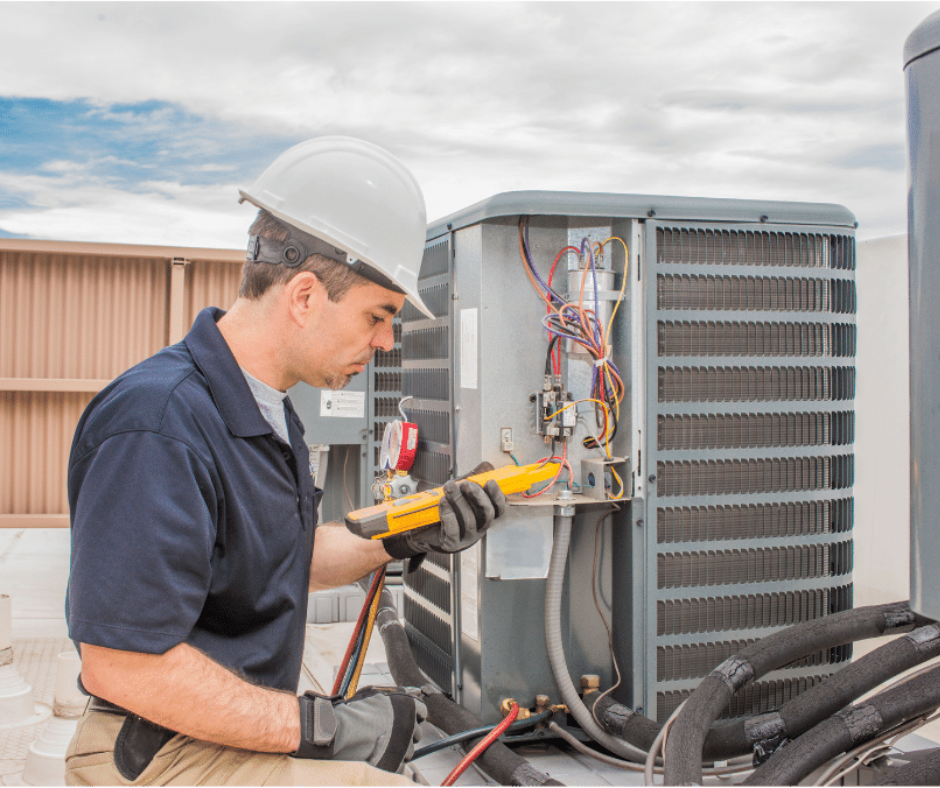
Heating, ventilation and air conditioning (HVAC) systems are some of a property’s most critical components. Regular servicing and cleaning filters, inspecting ducts and checking refrigerant levels help prevent breakdowns, especially during peak seasons. A malfunctioning HVAC system not only disrupts tenant comfort but can also lead to costly emergency repairs.
According to the U.S. Department of Energy, regular HVAC maintenance can improve energy efficiency, reducing energy costs by up to 15%.
Plumbing
Minor leaks and clogs can quickly escalate into major water damage if not addressed promptly. Preventative measures include inspecting pipes, fixing small leaks and clearing drains regularly. Water damage not only causes structural issues but can also result in mold growth, posing health risks to tenants.
Additionally, installing water-saving fixtures reduces water bills and aligns with sustainable practices, appealing to environmentally conscious tenants.
Roofing and Gutters
Roofs and gutters are vulnerable to weather-related wear and tear. Regular roof inspections can identify issues like loose shingles, cracks or leaks early, preventing costly repairs or replacements. Cleaning gutters ensures proper water drainage, reducing the risk of water damage to walls and foundations.
Neglecting roofing maintenance can lead to severe structural issues that diminish property value and require expensive solutions.
Electrical Systems
Faulty wiring or outdated electrical systems pose safety hazards, including fire risks. Property managers should schedule periodic inspections to ensure all electrical components meet safety standards. Replacing worn-out fixtures and addressing minor issues promptly prevents major system failures.
Modernizing electrical systems with energy-efficient solutions, such as LED lighting and smart controls, can also reduce utility expenses over time.
Common Areas and Exteriors
Regular upkeep of common areas and property exteriors improves curb appeal, which directly impacts tenant satisfaction and property value. Tasks such as repainting, repairing sidewalks and maintaining landscaping help create a positive first impression.
Financial Benefits of Preventative Maintenance
Preventative maintenance is an investment that yields significant financial benefits, particularly during economic downturns when budgets are tighter. Here’s how it saves property managers money:
Reduces Emergency Costs: Emergency repairs often come with premium service fees and urgent labor costs. Proactive inspections mitigate these issues by catching problems early.
Preserve Asset Value: Consistently maintained properties command higher rental rates and resale values, even in challenging markets.
Lowers Utility Bills: Routine maintenance of systems like HVAC, plumbing and electrical ensures they operate efficiently, reducing energy and water consumption.
Prevents Tenant Turnover: Reliable property maintenance improves tenant satisfaction, reducing vacancy rates and the costs associated with attracting new renters.
By taking a proactive approach, property managers avoid the budgetary strain that comes with deferred maintenance. Small, regular investments in maintenance pay off significantly over the property’s life.
Implementing a Preventative Maintenance Plan
To maximize the benefits of preventative maintenance, property managers should implement a structured maintenance plan. “The secret to navigating economic downturns is mastering cost efficiency without compromising quality,” says Rod Khleif. “It’s important to focus on what adds value to tenants while trimming unnecessary expenses.”
By using property management software, partnering with reliable vendors and maintaining open communication with tenants, property managers can ensure that maintenance efforts remain cost-effective while preserving property value and tenant satisfaction.
Schedule Regular Inspections
Create a maintenance calendar to schedule inspections for HVAC, plumbing, roofing and other critical systems. Seasonal checks ensure systems are prepared for weather changes, reducing the likelihood of breakdowns.
Use Property Management Software
Leverage property management software to track maintenance schedules, document repairs and manage vendor contracts. Platforms like Buildium and AppFolio provide tools that streamline maintenance tasks and reduce administrative burdens.
Partner with Reliable Vendors
Establish long-term relationships with trusted contractors and vendors who offer cost-effective, high-quality services. Reliable partnerships ensure consistent maintenance standards and often come with discounted rates for recurring services.
Prioritize Tenant Communication
Keep tenants informed about upcoming maintenance activities and encourage them to report issues promptly. Clear communication fosters tenant cooperation and reduces frustration during scheduled repairs. Providing detailed timelines for maintenance tasks reassures tenants that their concerns are being addressed. Additionally, following up after repairs to ensure satisfaction helps build trust and demonstrates a commitment to tenant well-being.
Preventative maintenance is essential for protecting property investments, especially during economic distress. By proactively addressing maintenance needs, property managers can save money, extend asset lifespans and preserve property value.
From HVAC systems to plumbing and roofing, focusing on critical areas ensures tenants enjoy a safe, efficient and well-maintained living environment. Implementing a structured preventative maintenance plan positions property managers for long-term success, even during challenging economic times. By prioritizing proactive upkeep, property managers not only reduce expenses but also strengthen tenant satisfaction and trust—key factors in maximizing property investments.
