

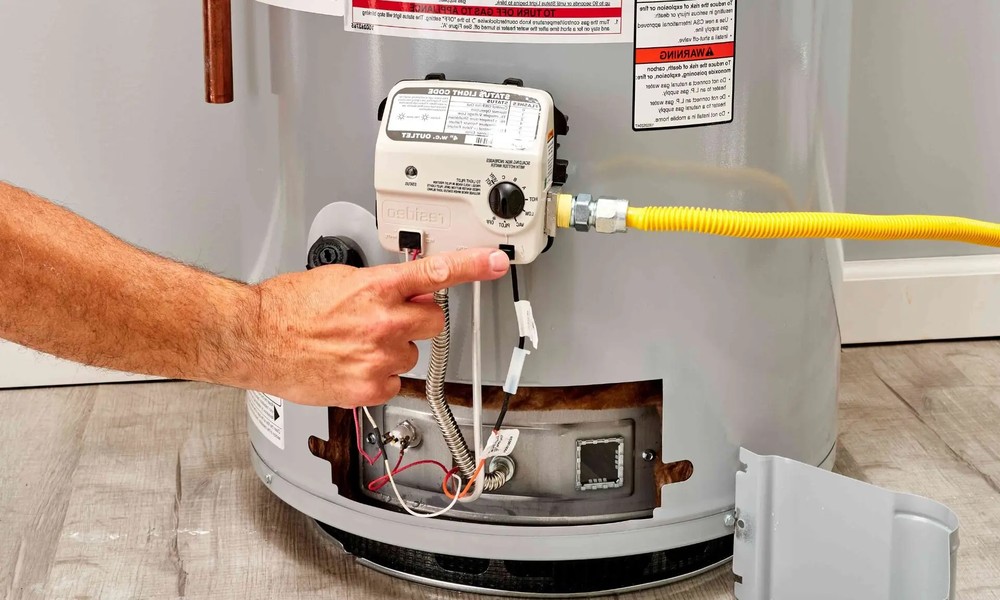
Knowledge of equipment is cost-effective and helps to avoid unavailability. This guide describes the inner procedure in comprehension. The description below explains the working of the gas hot water systems used in the commercial environments.
Learning about the functioning of gas hot water systems
Basic working principle of gas hot water systems
gas hot water systems on the other hand heat water with the help of a gas burner. The system gives heat to water using a heat exchanger. This exercise facilitates the constant flow of hot water that can be utilized in business. Its basic way of working is as follows:
- Gas ignition process: Gas enters the burner and ignites in order to create a controlled flame to generate heat used to heat water.
- Heat transfer system: In this, heat exchanger moves the energy in the flame to the water without direct contact facilitating easy heating of water.
- Water circulation: The cold water will flow into the system and pass through hot parts until the required temperature is reached.
- Temperature control: Built-in controls allow the control of the amount of heat to keep the temperature of the water unchanged at all times.
- Hot water delivery: The hot water is moved to hot taps or appliances by delivering the hot water through pipes.
Key components of gas hot water systems
The components contribute to system performance. A good functionality results in efficiency and reliability. Knowledge of these sections helps in at least maintenance and troubleshooting. The key elements are:
- Gas burner: This is another element that produces heat and is used as the main source of heat in the system through gas burning.
- Heat exchanger: This section moves the heat of the burner to the water, and produces effective use of energy without the combination of gas and water.
- Thermostat: This device will monitor and regulate the temperature of the water to guarantee safe and uniform heating.
- Storage tank or flow unit: The storage systems store warm water and flow systems heat the water immediately during use.
- Control valves: They are used to control the flow of gases and water to ensure that they work safely and maintain the right amount of pressure.
Energy efficiency and performance factors
Efficiency influences operation related costs and productivity of the system. High-performing systems save on the usage of gas as well as enhance reliability. This is backed with regular monitoring to maintain consistent performance. Factors of efficiency include:
- System design: More contemporary designs will have better heat transfer and will conserve energy on heat loss to an operating system.
- Quality of insulation: Proper insulation prevents more heat loss and longer time to keep water heated.
- Usage pattern: Patterns of continuous usage enable systems to run smoothly without necessarily having to be refueled through regular heating processes.
- Maintenance practices: With frequent servicing, it maintains faults and optimal performance of the systems.
- Technology characteristics: Advanced controls to enhance efficiency by putting the heating on demand.
Safety and operational considerations
Security of operation is the key in the world of business. The gas system needs handling and properly installed. Adherence and reduction of risks by being aware. Safety considerations include:
- Ventilation specifications: The amount of air needed should be good enough to have gasses evaporate and burn in a safe way.
- Control of pressure: Consistency of gas flow and control of the pressure helps to avoid system damages.
- Leak detection: The periodic check-ups can help in detecting the gas leaks at an earlier-stage and avert the risks.
- Temperature controls: The temperature level is regulated so that it does not overheat and protect equipment.
- Professional installation: Qualified installation helps to guarantee the safety of the systems and their adherence to standards.
Conclusion
The gas hot water systems operate by heating the water by regulating the combustion of gas and heat transfer. The knowledge on the components of the system and system operation enhances efficiency and reliability. Further good usage and maintenance ensures constant supply of hot water to business.
